

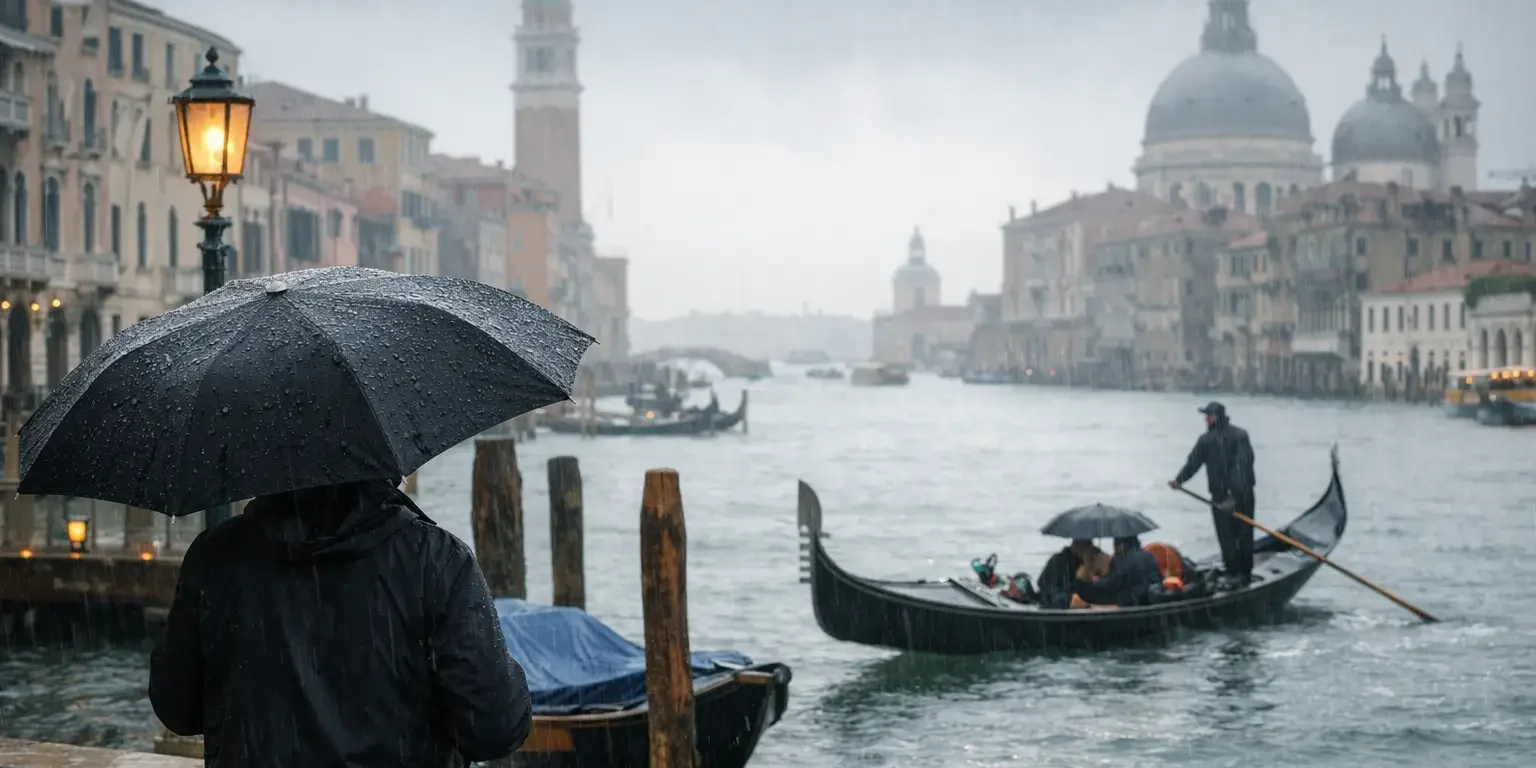
Rain changes Venice in an instant. Stone darkens, canals turn silvery, footsteps soften on wet pavement, and familiar views take on a more private, cinematic beauty. For many travelers, venice during rain sounds like a disappointment. In practice, it can be one of the most memorable ways to experience the city – especially if you know how to move through it comfortably and let the slower rhythm work in your favor.
There is a difference, of course, between a passing shower, a gray day of steady rain, and seasonal high water. The experience depends on timing, wind, tide, and how much of your visit you prefer to spend outdoors. Yet one of Venice’s great strengths is that it remains rewarding even when the weather is less than perfect. This is a city of interiors as much as exteriors, of hidden rooms, quiet corners, and richly atmospheric pauses.
Why venice during rain can feel more special
On bright afternoons, Venice is radiant and theatrical. In the rain, it becomes intimate. Streets that were busy an hour earlier can feel nearly still. Reflections sharpen. Church facades look more dramatic. A café stop feels less like a break and more like part of the day’s pleasure.
For visitors who value atmosphere, design, and a sense of place, rainy weather often reveals a more nuanced Venice. Instead of rushing from one landmark to the next, you notice textures – worn stone steps, the glow from antique glass, the hush inside a small campo. The city asks for a gentler pace, and it rewards that pace well.
There are trade-offs. You may walk more slowly, pause more often, and rethink a plan built entirely around panoramic views and long outdoor wandering. But if your stay includes a refined, comfortable base in the heart of the city, rain becomes far less of an inconvenience and much more of a mood.
What rain in Venice is actually like
Many first-time visitors imagine constant flooding, but ordinary rain in Venice is usually just that – rain. You will encounter wet calli, slippery bridges, and the occasional puddle, but daily life continues normally. Shops open, vaporetti run, museums welcome guests, and restaurants remain lively.
The term many travelers worry about is acqua alta, or exceptionally high tide. This is not the same as rainfall, though the two can overlap. When tides are elevated, certain low-lying areas may see temporary standing water, particularly around the most famous open spaces. The city is used to this pattern, and visitors can adapt with the right footwear and a flexible schedule.
In practical terms, the best approach is simple. Check the forecast, bring elegant but weather-ready shoes, carry a compact umbrella, and keep your plans balanced between outdoor walks and indoor experiences. Venice does not require alarm in wet weather. It requires a little finesse.
Where to go in Venice during rain
Rainy days are ideal for leaning into the city’s interior beauty. Museums and churches become more inviting, not less. Gilded ceilings, painted halls, and marble floors feel especially resonant when the weather outside turns cool and gray.
San Marco remains compelling in rain, though timing matters. If showers are light, the basilica and surrounding historic spaces can feel even more dramatic under a moody sky. If the weather is heavier, it is wise to arrive with patience and avoid the expectation of lingering outdoors for too long. The advantage of staying near the district is obvious – you can visit when conditions suit you best, then return to comfort with ease.
This is also the perfect time to enjoy Venice’s smaller pleasures. Step into a quiet church you had not planned to visit. Spend more time over lunch. Browse artisan shops rather than hurrying past them. Choose a route through narrower residential streets where the city feels less performative and more lived-in.
If rain remains steady for several hours, a slower indoor afternoon often becomes the highlight of the trip. A beautifully appointed apartment, a view over a damp Venetian street, a moment to rest before dinner – these are not backup plans. In Venice, they are part of the experience.
Dressing well and staying comfortable
The wrong clothing can make a rainy day feel longer than it is. The right choices make it easy. Waterproof shoes with good grip matter more than anything else. Venice’s bridges and stone surfaces can become slick, and style is best paired with stability.
A light trench or polished raincoat works better than bulky outerwear for most of the year. Umbrellas are useful, but compact ones are easier to manage in narrow passageways. If you are visiting in cooler months, layers are preferable to one heavy piece, since museums, cafés, and water transportation can feel warmer than the streets outside.
Comfort also depends on where you stay. After a damp afternoon, there is a real difference between returning to a standard room and returning to a spacious private apartment with room to settle in properly. The ability to dry off, relax, and reset in elegant surroundings changes the entire tone of a rainy-day itinerary.
The advantages of staying central
Venice rewards proximity in every season, but especially in poor weather. When accommodations are well placed, rain stops being a logistical problem. You can step out for an hour, return if the weather shifts, and head back out again when the city opens up.
That flexibility is one of the quiet luxuries of staying near San Marco. You are close to major sights, yet not obliged to spend the entire day navigating from one end of the city to another in wet conditions. A short walk back for a break, a wardrobe change, or a relaxed aperitivo before dinner can preserve the pleasure of the day.
For travelers who prefer a more residential sense of ease without giving up prime location, this matters even more. Ca’ Sant’Angelo reflects that balance particularly well – heritage surroundings, refined privacy, and the reassurance of attentive service when conditions call for local advice.
How to plan better if rain is in the forecast
A rainy Venice itinerary works best when it is not overpacked. Build your day around one or two priorities rather than five. Leave space for weather shifts, longer meals, and spontaneous indoor discoveries.
Morning is often the best time for walking if rain is expected later. If showers arrive in the afternoon, move toward museums, historic interiors, or a relaxed lunch. Evening can be unexpectedly beautiful after the rain clears, when pavements still glisten and the city feels calmer than usual.
It also helps to think in neighborhoods rather than isolated attractions. Instead of crossing Venice repeatedly, stay within one area for several hours. This reduces unnecessary walking and lets you experience the district more naturally. In rain, thoughtful pacing is more elegant than ambitious scheduling.
Is Venice during rain still worth it?
Absolutely – if you appreciate atmosphere and travel well with a little flexibility. If your ideal trip depends entirely on bright skies, outdoor photography, and long afternoons on foot, rain may feel limiting. But for travelers drawn to beauty, culture, and a more layered sense of destination, Venice in wet weather can be exceptionally rewarding.
There is also something honest about seeing the city this way. Venice is not a stage set that only performs in sunshine. It is a living place, and rain reveals that reality with unusual grace. Locals continue their day. Boats move through the mist. Light reflects off stone and water in ways no clear day can replicate.
The key is not to resist the weather too much. Adjust to it. Choose comfort over stubbornness, quality over rushing, and atmosphere over checklist travel. Venice responds well to that kind of attention.
Some trips are remembered for perfect weather. Others are remembered because the weather changed the mood and made the city feel more personal. If rain finds you in Venice, let it slow you down just enough to notice what fair skies sometimes hide.