

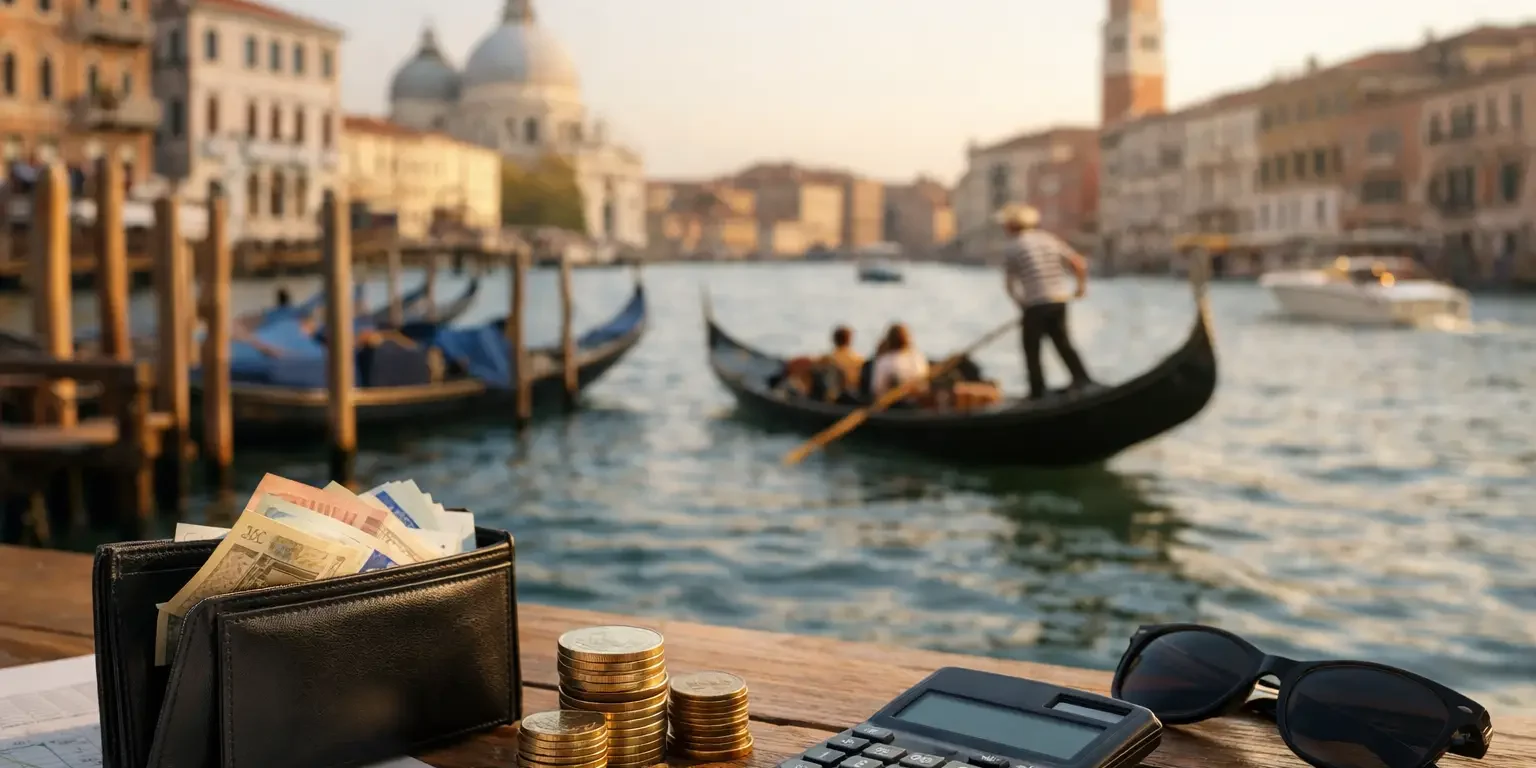
Venice has a way of making ordinary travel math feel different. A coffee in a quiet campo, a private water taxi at sunset, a room steps from San Marco – each choice carries a price, but also a very particular kind of value. If you are asking is venice expensive? real costs in 2026, the honest answer is yes, it can be. But it is not uniformly expensive, and the final number depends less on Venice itself than on how you choose to experience it.
For travelers who care about comfort, location, and a more authentic stay, Venice often rewards thoughtful spending. Paying more for the right address can save time, reduce stress, and change the entire rhythm of your visit. That matters in a city where every bridge, vaporetto stop, and restaurant decision shapes the day.
Is Venice expensive in 2026 compared with other Italian cities?
Compared with Rome, Florence, or Bologna, Venice usually feels pricier at first glance. Transportation is less straightforward, hotel space is more limited, and tourism keeps demand high through much of the year. In central areas, especially around San Marco and along the Grand Canal, rates reflect both prestige and scarcity.
Yet Venice is not expensive in exactly the same way as Milan or the Amalfi Coast. You are not paying for nightlife or car access. You are paying for a fragile, historic city built on water, with logistics that affect everything from fresh produce deliveries to laundry service. That is why a simple breakfast or a short transfer can cost more than expected.
Season also matters. Spring and early fall remain the most desirable times to visit, and prices tend to follow. January, parts of February, and late November can offer better value, though weather and acqua alta risk may influence the experience. Around Carnival, Easter, Biennale periods, and major holidays, costs rise quickly.
Real Venice accommodation costs in 2026
Accommodation is usually the largest part of the budget. In 2026, a standard midrange hotel room in central Venice will often start around $220 to $350 per night in lower season, then move into the $350 to $500 range in stronger periods. Upscale boutique hotels and refined residences in prime locations commonly begin around $450 and can easily exceed $800 per night, particularly for larger spaces or canal views.
This is where travelers benefit from looking beyond the headline nightly rate. A lower-priced stay outside the historic center may appear attractive, but the trade-off can be substantial. Extra transit time, more crowded commutes, limited evening flexibility, and less privacy all carry their own cost.
A well-appointed apartment in the heart of Venice often represents better value for guests who want more space and residential comfort. A proper living area, kitchen, and thoughtful guest support can make a longer stay feel smoother and more personal. For couples and small groups especially, that balance of independence and service is often worth the premium. In a city like Venice, being able to return midday, settle into elegant surroundings, and feel part of the neighborhood is not a small luxury.
What food and drink really cost
Food in Venice can be surprisingly manageable or quietly extravagant. Breakfast at a cafe may cost $5 to $8 for coffee and a pastry if taken at the counter, but seated service in a prime piazza setting changes the equation immediately. In iconic locations, coffee can be less about caffeine and more about atmosphere, and the bill reflects that.
For lunch, a casual meal or cicchetti stop with a glass of wine might run $15 to $30 per person if you choose carefully. A more polished lunch in a well-located restaurant often lands closer to $35 to $60 per person. Dinner is where ranges widen. A pleasant, unfussy dinner with wine may come in around $50 to $80 per person, while a more elegant experience can move comfortably past $100.
Seafood, naturally, tends to raise the total. So do waterfront tables, tasting menus, and restaurants positioned for one-time visitors rather than repeat local clientele. Venice rewards discernment. The city has excellent dining, but location alone does not guarantee quality.
One practical advantage of staying in a luxury apartment is flexibility. Not every meal needs to be a restaurant occasion. A market visit, a beautiful bottle of wine, and a quiet evening in can be both more intimate and more economical than another formal reservation.
Transportation costs in Venice
This is often where first-time visitors feel Venice is expensive. There are no taxis in the usual sense, and moving through the city takes planning. Public vaporetto tickets are not cheap by European city standards. A single ride typically costs several euros, and the price can feel steep for short distances. Multi-day transport passes generally offer better value if you expect to use the system regularly, especially for visits that include the islands.
Private water taxis are one of Venice’s signature luxuries, and they are priced accordingly. In 2026, a private transfer from the airport area to central Venice can easily range from about $140 to $220 or more depending on timing, luggage, and exact destination. It is not the budget option, but after a long flight, many travelers find the comfort and direct arrival deeply worthwhile.
Walking, of course, is free, and Venice is best appreciated on foot. But distance on a map can be misleading. Bridges, steps, and crowds make even short routes more effortful than expected. This is another reason location carries real value. Staying near the places you most want to see changes both your budget and your energy.
Museums, churches, and sightseeing expenses
Cultural costs in Venice are moderate rather than extreme. Entry to major sights such as the Doge’s Palace, leading museums, and church circuits adds up, but rarely defines the budget on its own. Expect individual museum and landmark tickets generally in the $10 to $35 range, with some premium experiences higher.
If you plan a full schedule of museums, palaces, and exhibitions, a city pass or bundled cultural ticket may make sense. If your priorities are atmosphere, architecture, and wandering, you may spend far less here than in other major European destinations. Venice offers an unusual amount of beauty without requiring constant ticket purchases.
Gondola rides deserve a separate note. They remain one of the city’s signature indulgences, and prices are set at a premium level. For some guests, this is an essential once-in-a-lifetime experience. For others, it is easy to skip in favor of a private terrace view, an evening stroll, or a beautifully timed water taxi ride.
Where travelers tend to overspend
The most expensive Venice trips are usually not built around culture. They are built around convenience purchased badly. Last-minute bookings, restaurants in the busiest corridors, repeated single vaporetto fares, and accommodation chosen without considering daily logistics all push costs up fast.
Tourist-facing menus near major landmarks can also create the sense that everything in Venice is overpriced. That is not quite true. There are excellent places to eat and drink at fair value, but they are rarely the ones making the hardest sales pitch outside.
Another common mistake is underestimating the premium of location, then spending the savings on transit, porterage, and time. Venice is one of those rare cities where centrality is not just prestige. It is practical comfort.
How to spend well, not simply spend less
The better question is often not whether Venice is expensive, but what is worth paying for. In most cases, the smartest splurge is accommodation in a superb central setting. A beautiful apartment or refined residence near San Marco gives you freedom to move through the city gracefully, without turning each outing into a logistical exercise.
It also allows for a more personal Venice. You can rise early before the streets fill, return in the afternoon to rest, and step out again for dinner when the city softens into evening. That rhythm is difficult to price, but it is often what travelers remember most.
Dining well matters too, though not every meal must be elaborate. One memorable dinner, one scenic aperitivo, and a few simple local lunches often create a more satisfying balance than booking every meal at the highest level.
If comfort is part of the reason you travel, Venice is best approached with intention rather than strict frugality. Thoughtful choices create ease, and ease is part of luxury.
Is Venice worth the price in 2026?
For many travelers, absolutely. Venice is not a destination where value is measured only in square footage or bargain rates. It is measured in proximity, atmosphere, privacy, beauty, and the rare pleasure of living well in a place unlike any other.
A stay in an elegant, well-serviced apartment such as Ca’ Sant’Angelo can make that value especially clear. When heritage, comfort, and attentive hospitality come together in the right location, the city becomes less of a checklist and more of an experience.
Venice asks you to spend thoughtfully, but it also gives back generously. If you choose well, the cost feels less like excess and more like access to a very singular way of being there.