

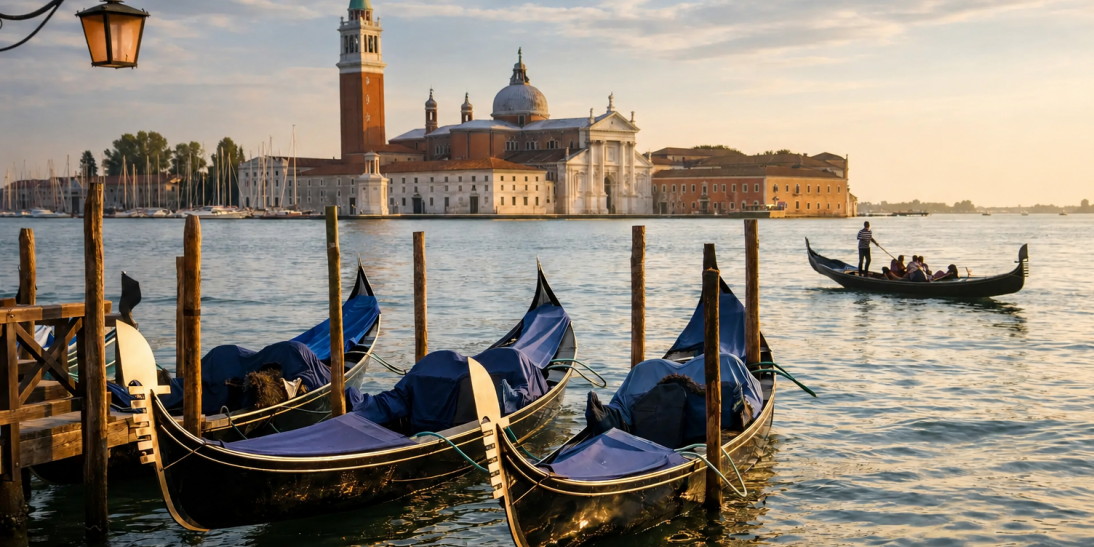
Venice changes character with the light, the tide, and the pace of its visitors. So, which is the best period to visit Venice? For many discerning travelers, the answer is late spring or early fall, when mild weather, luminous canals, and a more graceful rhythm create the right conditions for experiencing the city beyond its famous sights.
There is no single perfect month for everyone. A visit shaped around quiet walks, museum afternoons, and long dinners calls for a different season than one centered on Carnival, the Biennale, or summer evenings on the lagoon. The most rewarding choice comes down to the Venice you wish to inhabit.
The Best Period to Visit Venice for Balance
April, May, late September, and October offer Venice at its most balanced. Days are often comfortably mild, the city is beautifully walkable, and the changing light gives the façades along the Grand Canal a particularly rich presence. These months also allow for unhurried pauses: an espresso standing at a neighborhood bar, a late-afternoon vaporetto ride, or a quiet return through San Marco after the day visitors have gone.
May is especially appealing for travelers who want spring warmth without the height of summer heat. Gardens and terraces feel inviting, and the lagoon has a freshness that suits private boat excursions to Murano, Burano, or the quieter islands. It is a popular period, however, so central accommodations and sought-after restaurants should be arranged well in advance.
Late September and October are equally elegant choices. The summer humidity begins to lift, evenings acquire a welcome coolness, and Venice feels more contemplative. October can bring rain, but this is part of the city’s atmosphere rather than a reason to avoid it. A misty morning on the canals or an afternoon spent with Venetian painting can become one of the most memorable parts of a stay.
Spring: Venice in Bloom and in Motion
From March through May, Venice returns to outdoor life. The days lengthen, café tables fill, and the city’s stone streets feel newly animated after winter. March can still be cool, particularly in the evening, but it rewards travelers with lower demand than later in the season and a sense of anticipation in the air.
April brings more reliable warmth and an appealing mix of cultural activity and everyday Venetian life. It is an excellent time for couples who appreciate full days of walking, gallery visits, and leisurely meals without the intensity of July or August. Pack layers and comfortable shoes, as the temperature can shift noticeably between a sunny afternoon and a breezy evening by the water.
Spring does bring Easter crowds when the holiday falls in April, as well as increased demand around major events. For a more composed experience, choose midweek dates and allow time in your itinerary for the neighborhoods beyond the busiest route between Piazza San Marco and the Rialto Bridge. Venice reveals its refinement when there is room to wander without an agenda.
Summer: Long Evenings, Higher Energy
June through August offers a vivid, sociable Venice. The city stays bright well into the evening, and the lagoon becomes a natural setting for sunset boat rides, open-air dining, and moments that extend later than planned. June is usually the most comfortable of the summer months, with warm days and a festive atmosphere before the strongest heat arrives.
July and August can be hot and humid. Crowds are substantial, especially around the major landmarks, and midday walking may feel demanding. Yet summer suits guests who value lively energy, late dinners, and the pleasure of returning to a cool, quiet apartment after a day in the city.
The key is to plan around the heat rather than fight it. Begin early, reserve the middle of the day for a relaxed lunch or time indoors, and let the evening become the main event. A centrally located residence is particularly valuable in this season, offering the freedom to return between outings and enjoy Venice at a pace that feels personal.
Events That Shape a Summer Stay
Summer can be especially attractive for travelers drawn to Venetian cultural life. The Venice Biennale, held in alternating art and architecture editions, brings an international creative energy to the city. The Venice Film Festival, typically held from late August into early September on the Lido, adds a quietly glamorous note, even for visitors who are not attending screenings.
These events create demand across the city. They can also make Venice feel unusually alive, with conversations, exhibitions, and guests arriving from around the world. If an event is central to your plans, early booking is essential. If tranquility is the priority, choose dates outside the busiest openings and festival weekends.
Fall: The Most Atmospheric Season
For many experienced Venice travelers, fall is the finest time to return. September retains the warmth of summer but introduces softer light and a more settled mood. By October and November, the city becomes slower, more intimate, and wonderfully suited to travelers who prefer depth over spectacle.
This is a season for seeing Venice as a lived-in city. Markets settle into their daily routines, galleries feel less hurried, and dinner reservations may be easier to secure. The changing weather encourages a more flexible itinerary, which is often the best approach here. A rain shower can be an invitation to linger over lunch, visit a church that was not on the plan, or simply watch the canal traffic from a window.
November deserves special consideration. It is among the quietest months, and its silver light has a distinctive beauty. There is a greater possibility of acqua alta, the temporary high water that can affect parts of the city, particularly around Piazza San Marco. Venice is accustomed to these tides, with raised walkways used where necessary, but guests should pack waterproof footwear and remain flexible. In exchange, they may find a Venice of remarkable stillness.
Winter: A Private, Elegant Venice
December through February offers the city at its most hushed, apart from the celebrated Carnival period. Winter is ideal for travelers who want museums, historic interiors, exceptional meals, and the pleasure of a city experienced without summer’s intensity. The air can be cold and damp, but Venice has a particular winter magic: warm light in a palazzo, candlelit restaurants, and fog softening the edges of the lagoon.
December has a festive character, with holiday decorations and a gentle sense of occasion. January is usually the quietest month and can offer excellent value, though some smaller businesses may take seasonal breaks. For guests who enjoy a calm, culturally focused escape, that quieter cadence is precisely the appeal.
Carnival, generally held in January or February depending on the year, transforms Venice. Masks, historic costumes, private events, and a theatrical atmosphere bring a singular energy to the city. It is a wonderful choice for travelers seeking pageantry and tradition, but it is not the period for solitude. Accommodations should be secured early, and a little planning goes a long way toward preserving a sense of ease.
Choosing the Right Dates for Your Style of Stay
The best time is not only about weather. It is about how you prefer to move through Venice. If you want comfortable days outdoors and a polished balance of activity and calm, choose May or late September. If you are drawn to exhibitions, film, and long lagoon evenings, consider June or early September. If your ideal Venice is quiet, atmospheric, and deeply cultural, October, November, or January may be more compelling.
A longer stay also changes the equation. With the space and independence of a private apartment, a few days of rain or an especially busy afternoon need not shape the entire experience. There is time for a slow breakfast, a pause between museum visits, and the simple luxury of returning home to Venice rather than rushing through it.
At Ca’ Sant’Angelo, in the heart of San Marco, that sense of residence is part of the experience. A historic setting, modern comfort, and attentive support make it easier to enjoy each season on its own terms.
Choose the dates that leave room for the Venice you cannot schedule: the quiet canal encountered on the way home, the changing color of the water before dinner, and the feeling that, for a few days, the enchanted city belongs to your own daily rhythm.