

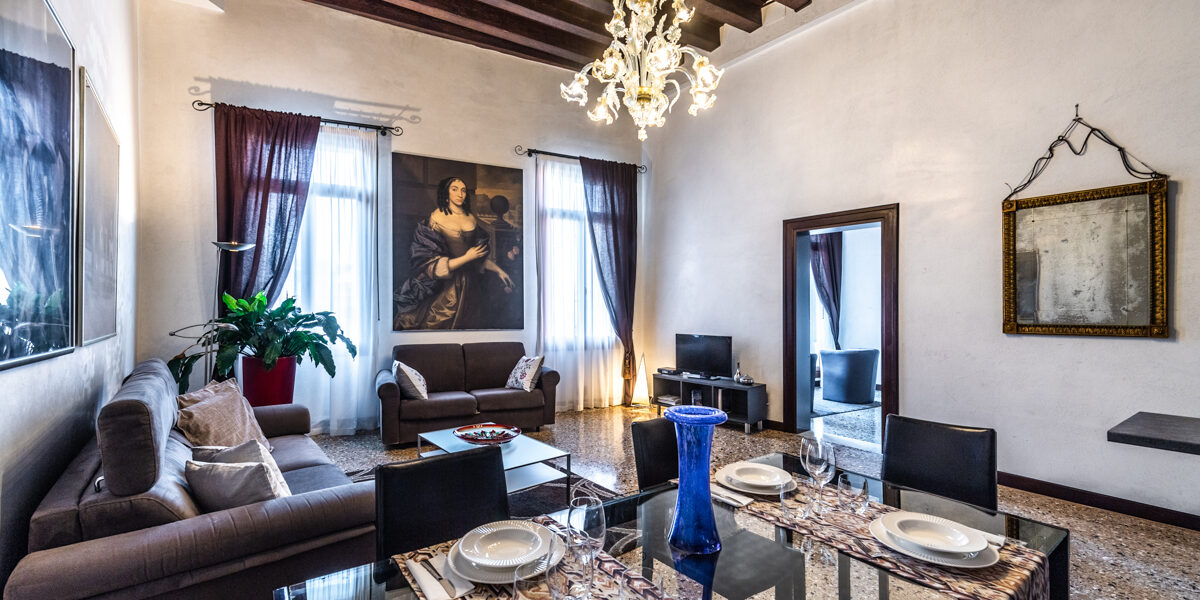
A Venetian palazzo is not simply a beautiful place to sleep. It is a chance to wake beneath high ceilings, cross a threshold shaped by centuries of city life, and return from an evening passeggiata to a home that feels distinctly Venetian. If you are wondering how to stay in a Venetian palazzo, the answer begins with choosing a residence that honors its history while making every practical detail of your stay feel effortless.
Venice asks travelers to slow their pace. Its streets are narrow, its addresses are best understood through landmarks rather than car routes, and its most memorable moments often happen between the major sights. A stay in a historic palazzo can place you within that rhythm – provided you select the right setting, location, and level of service.
What makes a Venetian palazzo stay different
A palazzo was traditionally the urban home of a Venetian noble family. Its architecture was designed to make an impression, particularly on the piano nobile, or noble floor. This was the principal level of the residence, often distinguished by generous proportions, tall windows, refined decorative details, and rooms made for receiving guests.
Staying in one offers a more intimate perspective on Venice than a conventional hotel can provide. Rather than entering a lobby and returning to a standard guest room, you come home through a historic entrance and settle into rooms with character, privacy, and a sense of place. The experience is less about reenacting the past than living comfortably within a building that has been part of Venice for generations.
That said, heritage alone should not determine your choice. A palazzo without thoughtful renovation can be impractical: stairs may be difficult with luggage, heating or air conditioning may be inconsistent, and a beautiful interior may not provide the conveniences that make a longer stay relaxing. The most rewarding properties preserve original atmosphere while offering the quiet, climate control, Wi-Fi, and well-equipped spaces modern travelers expect.
How to stay in a Venetian palazzo without sacrificing comfort
Look beyond the phrase “historic residence” and consider how the apartment functions day to day. A true palazzo experience should feel graceful from the moment you arrive, but it should also support the way you want to travel. For many guests, that means having a proper kitchen for a leisurely breakfast or a simple supper after the restaurants have filled, as well as a washing machine for an unhurried multi-day stay.
A dishwasher, reliable high-speed Wi-Fi, and comfortable living areas may sound less romantic than frescoed ceilings or a grand canal façade. In practice, they are what allow a historic home to feel like a retreat rather than a compromise. The best stays combine both: the romance of an old Venetian residence and the ease of an impeccably prepared private apartment.
Service matters just as much. Venice is enchanting, but first arrivals can involve water taxis, bridges, luggage, and streets that seem to change character after dark. Choosing a palazzo stay with responsive guest support provides reassurance before you arrive and throughout your visit. Personal guidance can help with arrival planning, local arrangements, and the small questions that arise when you are living in a city rather than merely passing through it.
Choose the neighborhood as carefully as the residence
A central palazzo can save considerable time and energy, especially when your days include museums, shopping, aperitivi, and a return home to rest before dinner. The San Marco area is particularly appealing for guests who want Venice at their doorstep. St. Mark’s Square, the Teatro La Fenice, elegant boutiques, and many of the city’s defining landmarks are nearby, yet the smaller lanes beyond the busiest routes can still feel wonderfully residential.
Location, however, is about more than walking distance. Consider what you want to see when you step outside in the morning. Do you prefer the liveliness of a central neighborhood, with cafés and galleries close at hand? Or do you value a quieter district that may require more planning for meals and sightseeing? Neither choice is inherently better. It depends on whether convenience, calm, or a particular view of Venice matters most to you.
For a first visit, a centrally located palazzo is often the most comfortable option. It gives you freedom to return during the day, avoid unnecessary transit, and experience Venice at its gentlest hours – early morning, when the stones are still damp from cleaning, and late evening, when the crowds fade from the calli.
Pay attention to the details that shape the atmosphere
Not every historic apartment offers the same kind of experience. Some are formal and richly decorated; others favor a lighter, more contemporary interpretation of Venetian style. Look for interiors that feel considered rather than theatrical. Original architectural proportions, elegant finishes, quality furnishings, and carefully chosen lighting tend to create a sense of luxury that does not need to announce itself.
Natural light also deserves attention. Venice can be luminous, with water reflecting into rooms and sunlight softening ancient plaster, but the city’s tightly woven streets mean some apartments are naturally darker than others. Large windows on the piano nobile can be a particular pleasure, while quieter courtyard-facing rooms may appeal to guests who place sleep and privacy above a view.
It is also wise to understand access before booking. Many historic buildings have stairs, and even those with elevators may have a few steps at the entrance or within the property. Ask practical questions in advance if mobility, heavy luggage, or arrival timing is a concern. A refined stay should be thoughtfully arranged, not left to chance.
Give yourself time to live there, not just sleep there
A palazzo apartment shines when you allow room for unplanned moments. Begin the day with coffee before the city fully stirs. Bring back pastries from a neighborhood bakery. Pause in the afternoon rather than trying to see every museum in one sweep. In the evening, take the longer route home along a canal and notice how Venice changes when its shopfronts close and its windows begin to glow.
This is where the freedom of an apartment becomes especially valuable. You have space to read, share a bottle of wine, organize your day at your own pace, or simply rest between outings. Hotel service can be reassuring, but a private residence provides a different kind of luxury: the ability to make Venice feel temporarily yours.
At Ca’ Sant’Angelo, this balance is central to the experience. Its restored apartments on the piano nobile bring together the distinction of a historic palazzo and the contemporary comforts that make a stay in San Marco feel polished, private, and personal.
Plan your arrival with Venice in mind
Venice rewards preparation, particularly on the day you arrive. Cars do not reach most accommodations, so your final approach will involve walking or traveling by water. Decide whether a private water taxi, public vaporetto, or a combination of transport and walking best suits your arrival time, luggage, and budget. A water taxi offers directness and a memorable first impression, while public transport can be a satisfying introduction to the city if you are comfortable managing bags.
Share your arrival details with your host when possible. Clear instructions, meeting arrangements, and guidance on the nearest water stop can transform an uncertain arrival into a calm one. The same is true of departure day: allow extra time, especially for early flights or trains, since Venice operates on its own geography and timetable.
A stay in a Venetian palazzo is most memorable when history and hospitality are given equal care. Choose a residence that lets you admire the past, then close the door at night to the comfort, quiet, and confidence of being beautifully looked after.