

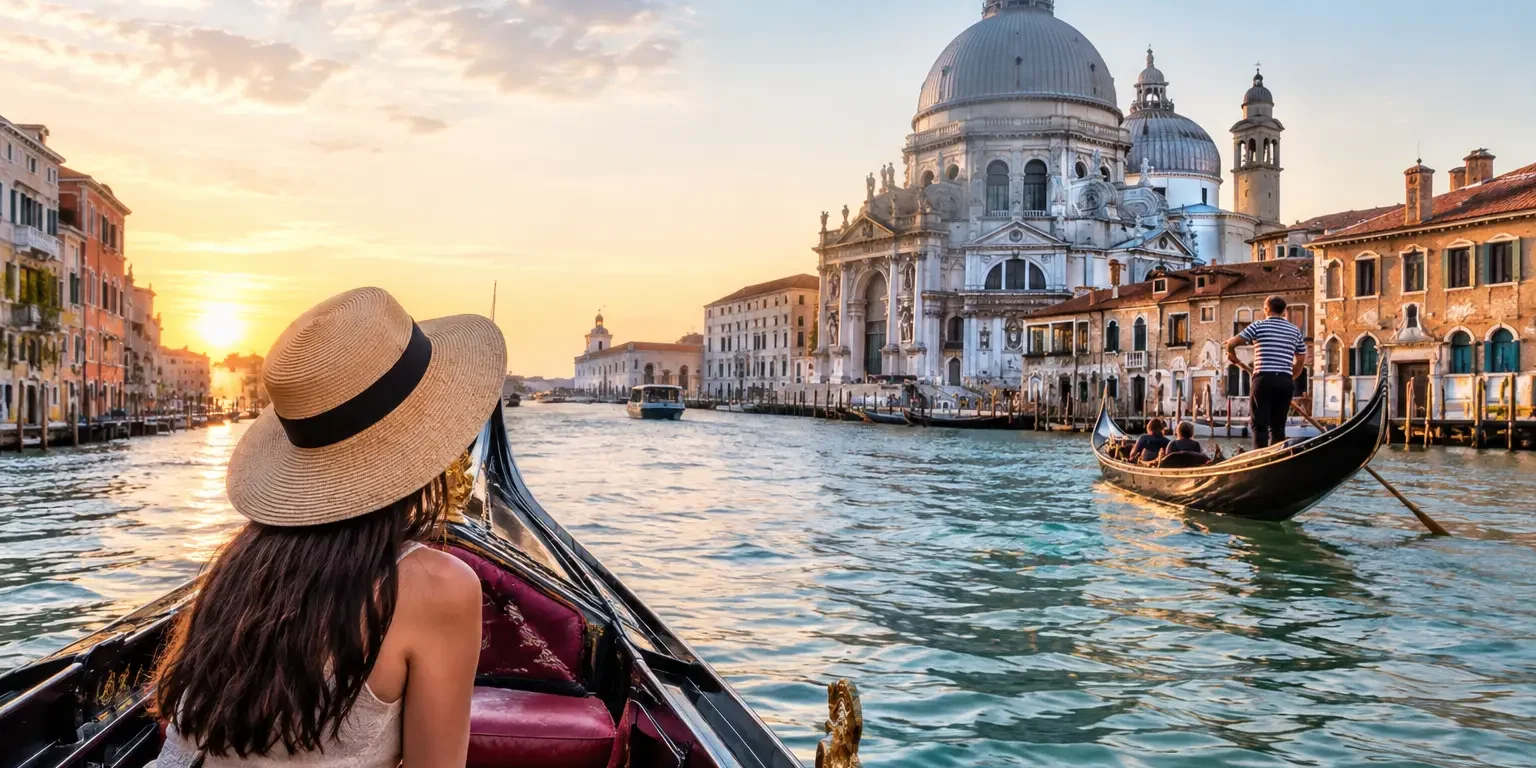
Venice reveals itself in layers: the first quiet wake on a canal, the changing light on a palace facade, the small courtyard you would never find by following the crowd. The best Venice tours do more than check off famous sights. They give the city context, introduce its daily rhythms, and leave enough space for the pleasure of getting pleasantly lost.
For travelers who value privacy, beauty, and thoughtful service, choosing a tour is less about filling every hour than choosing a few experiences that make each day feel richer. A well-planned visit can include the essential masterpieces, certainly, but it should also make room for a neighborhood wine bar, an artisan workshop, and an unhurried walk home through streets that have become familiar.
Choose Venice Tours by the Experience You Want
There is no single “best” tour of Venice. The right choice depends on whether this is a first visit, how long you are staying, and whether you are drawn more to art, food, history, or the quieter life of the lagoon.
A private walking tour is often the most rewarding introduction. With a knowledgeable guide, the area around St. Mark’s Square becomes more than a sequence of celebrated buildings. You begin to understand the former Republic’s commercial power, the purpose of its grand ceremonial spaces, and the details hidden in plain sight: carved symbols, unusual doorways, and the relationship between a palace and the water beside it. Private guiding also allows the pace to be shaped around your interests. Art lovers may linger in a church; architecture enthusiasts may prefer a detour into a less-traveled sestiere.
For a first morning, a focused visit to St. Mark’s Basilica and the Doge’s Palace is a sensible choice. These sites deserve their reputation, but they are most enjoyable with advance planning and an early start. The trade-off is that they can be busy, even outside the highest season. A guide who can offer interpretation and help make the visit efficient turns an iconic stop into an experience with real meaning.
If you have already seen the major landmarks, choose a tour with a narrower point of view. Jewish Ghetto walks, hidden gardens, Venetian printing history, contemporary art, and the city’s lesser-known churches all offer a more intimate perspective. Venice is compact, yet its character shifts noticeably from one district to another. A specialized walk helps you notice those differences rather than simply crossing them off a map.
The Lagoon Is Worth More Than a Quick Photograph
A water-based experience belongs on nearly every Venice itinerary, but not all boat tours offer the same feeling. A private water taxi provides an elegant and practical arrival, particularly when you are carrying luggage or arriving after a long journey. It is also a lovely way to see the Grand Canal for the first time, with palaces appearing one after another at water level.
A gondola ride is quieter and more ceremonial. It is best approached as a short, atmospheric pause rather than a history lesson. Late afternoon or early evening tends to be especially appealing, when the heat softens and the smaller canals grow calm. If you would like commentary, arrange it specifically, as the ride itself may be intentionally simple and silent.
For a broader sense of Venice, consider a private lagoon excursion. Murano is known for glassmaking, Burano for brightly painted homes and lace traditions, while Torcello offers an unexpectedly spacious and ancient atmosphere. These islands can make for a memorable half-day or full-day outing, especially for guests staying several nights. Still, they are not essential for everyone. On a short first visit, spending an entire day away from Venice’s historic center can feel rushed. It depends on whether you prefer breadth or the pleasure of knowing one place more deeply.
Make Food Tours Personal, Not Performative
Venetian food is best understood through its small rituals. Cicchetti, the city’s traditional bar snacks, are made for a relaxed progression from one bacaro to another. A thoughtfully chosen food tour can introduce regional wines, seafood from the lagoon, seasonal vegetables, and dishes whose names and flavors carry local history.
The most satisfying tours avoid treating every stop as a spectacle. Look for a guide who can explain why a particular bar matters, how Venetians order, and which ingredients reflect the season. The experience should feel conversational, with time to sit down and enjoy a glass of wine rather than moving quickly from tasting to tasting.
A market-focused tour can be particularly rewarding in the morning. Around Rialto, produce, fish, and the daily work of the market offer a useful counterpoint to the grandeur of the city’s monuments. For travelers who enjoy cooking, this may also inspire a relaxed evening in the apartment, using the kitchen not as an obligation but as another way to enjoy Venetian ingredients.
Plan Around Venice’s Natural Rhythm
Timing changes Venice. Early morning is ideal for major sights, photography, and walks through San Marco before the busiest part of the day. Midday is better used for a long lunch, a museum, or a return to your apartment for a quiet break. By late afternoon, the city becomes more reflective again, especially along the Grand Canal and in residential corners of Dorsoduro, Castello, and Cannaregio.
Avoid the temptation to schedule tours back-to-back. Venice involves more walking, bridges, and visual stimulation than many visitors anticipate. A free hour can become one of the most memorable parts of the day: an espresso standing at a neighborhood counter, a view across a canal, or the decision to enter a church simply because its doors are open.
Season matters as well. Spring and fall offer beautiful light and a lively atmosphere, though demand can be high. Summer brings long days and energy, along with heat and heavier crowds. Winter can feel wonderfully hushed, with occasional mist and a more local rhythm, but weather and acqua alta may affect plans. Flexible scheduling and appropriate footwear make a meaningful difference in every season.
What to Ask Before Booking a Tour
The most polished experiences are clear about practical details. Before confirming, ask whether the tour is private or shared, how much walking is involved, whether entrance tickets are included, and where the guide will meet you. For boat experiences, confirm the type of vessel, the route, the duration, and what happens if weather conditions change.
It is also worth being candid about your priorities. If you prefer a leisurely pace, say so. If a particular painter, historical period, or culinary interest matters to you, mention it before the itinerary is set. The advantage of a private guide is not merely skipping logistics. It is the ability to shape an experience around genuine curiosity.
A centrally located residence makes this easier still. From the San Marco area, many private guides can meet guests close to home, allowing the day to begin calmly rather than with a complicated journey across the city. At Ca’ Sant’Angelo, the combination of a historic setting, refined apartment comforts, and attentive local support creates a natural base for arranging days that feel considered rather than overplanned.
Leave Space for Your Own Venice
The finest tour may be the one that changes how you walk afterward. Once you understand the stories behind the basilica, the canals, or the city’s trading routes, Venice becomes more legible and more personal. You stop seeing a backdrop and start recognizing a living place shaped by water, craftsmanship, faith, and daily habit.
Book the experiences that genuinely interest you, begin early when it serves the day, and keep a few hours unassigned. Venice has always rewarded those who allow it to surprise them.