

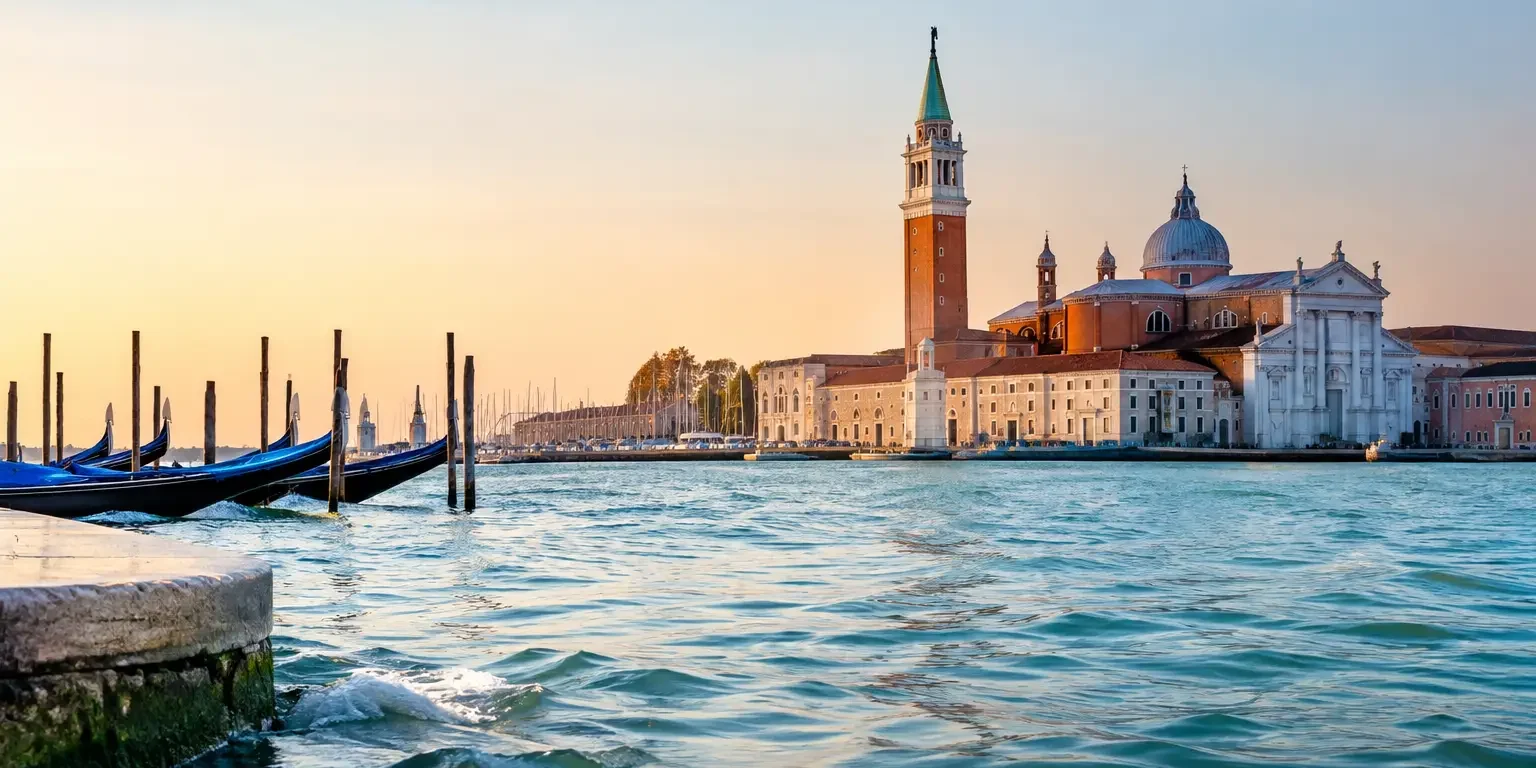
Venice has always lived with the water. If you are asking, “is it still possible to get tide in Venice?” the answer is yes – and for many visitors, seeing the lagoon rise is one of the city’s most memorable, unmistakably Venetian moments. What matters is understanding the difference between an ordinary tide and acqua alta, then planning with the calm confidence that lets you enjoy the city beautifully in every season.
The term acqua alta means “high water.” It describes an exceptionally high tide that can temporarily cover low-lying parts of Venice, particularly around St. Mark’s Square. It is not a daily event, nor does it mean the whole city becomes inaccessible. Venice remains a living city during high water: residents go to work, cafés open, boats continue their routes, and visitors cross the raised walkways with a new view of familiar streets.
Is It Still Possible to Get Tide in Venice?
Yes. Tides are a natural part of life in the Venetian Lagoon, shaped by the moon, wind, air pressure, and the Adriatic Sea. Venice experiences two tidal cycles each day, although most have little practical effect on a visit. The water may rise and fall at the edges of canals, but you can move through the city without giving it much thought.
Acqua alta is different. It occurs when several conditions combine, often during autumn and winter. A strong sirocco wind can push water northward through the Adriatic, while low atmospheric pressure and particular lunar phases can amplify the usual tide. The result may be temporary flooding in the lowest areas of the historic center.
That said, water levels vary enormously. A modest high tide may only create shallow pools in St. Mark’s Square. A more significant event can affect additional streets and require raised platforms in certain areas. It is a situation to prepare for, not a reason to avoid Venice altogether.
When Is Acqua Alta Most Likely?
The traditional high-water season runs broadly from October through January, with November often considered the month most associated with acqua alta. But no month comes with a guarantee. You may enjoy clear, luminous days and dry pavements throughout a November stay, while an isolated high tide can occur outside the usual period.
Spring and summer generally bring a lower chance of disruptive high water. These seasons offer long days, outdoor dining, and an easier rhythm for exploring on foot. Autumn and winter, however, have their own considerable appeal: softer light on the canals, fewer crowds, intimate evenings, and a Venice that feels more deeply connected to its maritime character.
For travelers who value flexibility and atmosphere, the possibility of high water need not be a drawback. It simply asks for thoughtful planning, appropriate footwear, and accommodation in a central location that minimizes unnecessary journeys across the city.
How Venice Manages High Water Today
Venice has become far better prepared for exceptional tides. The MOSE flood-barrier system, designed to protect the lagoon from very high water levels, has significantly reduced the risk of severe flooding in recent years. When conditions call for it, movable barriers at the lagoon inlets can be raised to separate Venice temporarily from the Adriatic.
MOSE does not eliminate ordinary tides, nor is it intended to do so. The daily relationship between Venice and its water is part of the city’s ecology and identity. Rather, the system is designed to protect the historic center during the most serious events.
Within the city, practical arrangements are equally well established. Raised pedestrian walkways, known as passerelle, are placed in key areas when needed. Municipal tide forecasts are closely monitored by residents, hotels, shops, and transport services. Many businesses have procedures in place long before the water reaches a level that would affect their guests.
This preparation makes a meaningful difference. A high tide can still alter the day’s itinerary, especially around St. Mark’s Square, but it rarely has to define the entire stay.
What High Water Feels Like as a Visitor
There is a particular stillness to Venice during acqua alta. Reflections spread across the paving stones, church facades appear doubled in the water, and the city’s usual boundaries between canal and street seem briefly softened. In the early morning, before the busiest hours, it can be remarkably photogenic.
There are practical realities, too. You may need waterproof ankle boots, and it is wise to avoid suede shoes, long hems, and luggage that is difficult to carry. The raised walkways can become busy near major landmarks. Restaurants, museums, and shops may occasionally adjust opening times during an unusually high event, so a little flexibility is useful.
The experience depends on the level. A light acqua alta can be little more than an atmospheric detour. A higher event may make some routes inconvenient for several hours. Tides move quickly, however, and the water often recedes as decisively as it arrives.
Planning a Refined Stay During Tide Season
The most comfortable approach is simple: check the official tide forecast shortly before your arrival and each morning during your stay. Forecasts show predicted water heights and timing, giving you a clear sense of whether a high tide is expected and how significant it may be.
Build your plans around the forecast rather than trying to resist it. If a higher tide is expected early in the morning, enjoy breakfast at a leisurely pace and schedule museum visits, shopping, or a relaxed lunch once the water has receded. If the forecast is mild, a morning walk near St. Mark’s Square can become a memorable part of the experience.
Central accommodation is particularly valuable when conditions are changeable. Staying near San Marco means you are close to celebrated sights, elegant dining, and the city’s essential cultural addresses. You can return easily for a pause, change footwear, or simply enjoy the quiet luxury of having time and space on your side.
At Ca’ Sant’Angelo, the character of a historic Venetian palazzo is paired with the reassurance of attentive guest support. For visitors arriving during the high-water season, that combination offers an especially welcome sense of ease: an elegant private base in the heart of Venice, with local guidance available when plans need adjusting.
What to Pack if High Tide Is Forecast
There is no need to overpack for the possibility of acqua alta. A few considered choices are enough. Bring waterproof boots with a secure sole, ideally high enough to protect your feet if you encounter shallow water. Compact footwear covers can be useful, though sturdy boots are generally more comfortable for longer walks.
Choose a coat that handles rain well, and keep valuables in a bag that closes securely. A small umbrella is helpful, but on windy days a hood may be more practical. If you plan to dress for a special dinner, carry your evening shoes in a protective bag and change once you arrive.
Most importantly, leave room in the itinerary. Venice rewards unhurried travelers even on perfectly dry days. During high water, that unhurried approach becomes the key to seeing the city at its most resilient and enchanting.
Should You Avoid Venice Because of Acqua Alta?
For most travelers, no. If your trip depends on a tightly timed schedule, extensive step-free access, or uninterrupted movement through every part of the city, it may be more comfortable to visit outside the traditional high-water months. Likewise, anyone with mobility concerns should discuss likely conditions and suitable routes before arrival.
For others, the trade-off can be worthwhile. Autumn and winter often offer a more intimate Venice, with cool canal-side walks, richly atmospheric interiors, and a sense of occasion that busier months cannot always provide. Acqua alta is not guaranteed, but neither is it something that needs to be feared.
Venice was built on water, and its tides are part of the city’s enduring rhythm. Arrive prepared, follow the forecast, and allow the day to unfold with a little grace. You may find that the water on the stones becomes not an interruption, but one of the details you remember most.